What to Consider Before Getting a Warehouse Floor Painting Quote
Why the floor deserves early attention
Warehouse floor painting serves to protect the warehouse floor that carries everything from pallets on a forklift to people on foot. If and when that layer of floor protection fails the consequences go well beyond appearance. You get dust contaminating stock, worn out and blured line markings cause conffusion and damaged areas create trip and even slip hazards. So you can now understand the importance of the humble concrete floor coating.
Good coating systems are one of the most cost-effective ways to restore your concrete floor. Outcomes though depend on decisions made long before the first coat is applied. This is D&D Coatings guide to setting out the questions that facilities managers, landlords and surveyors should consider before requesting a quotation from us or any other approved floor coating contractors.
Contractors must establish what the coating is and whether it remains well bonded
Start by looking at the floor you have
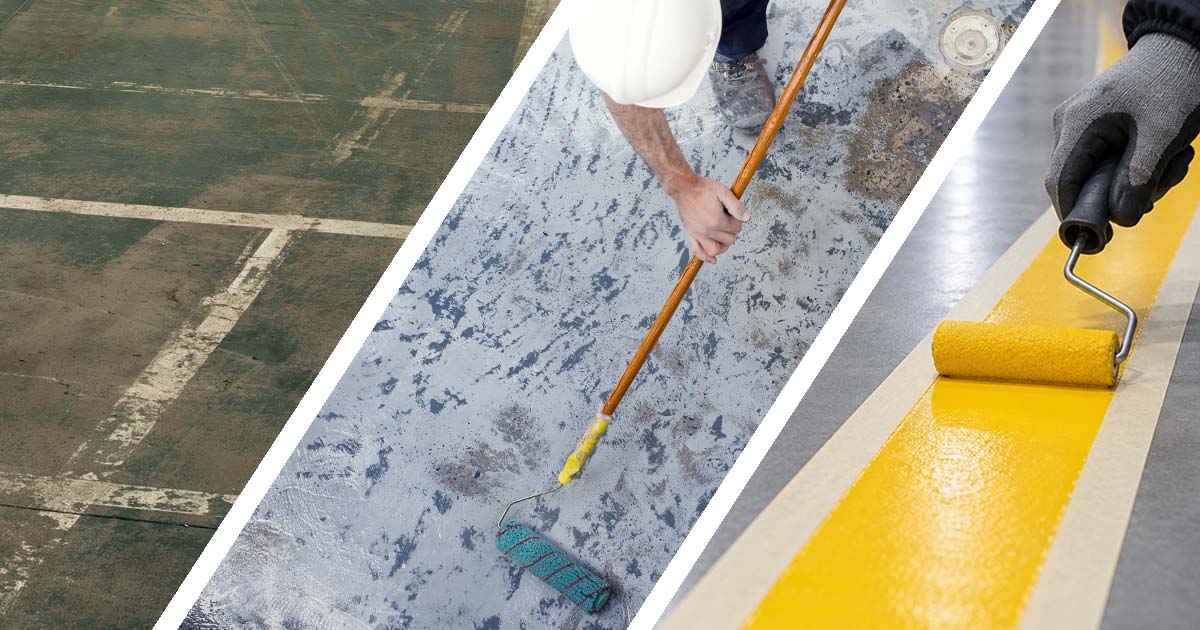
Every specification begins with the existing substrate. Most warehouse floors fall into one of three categories. And each category needs a different approach.
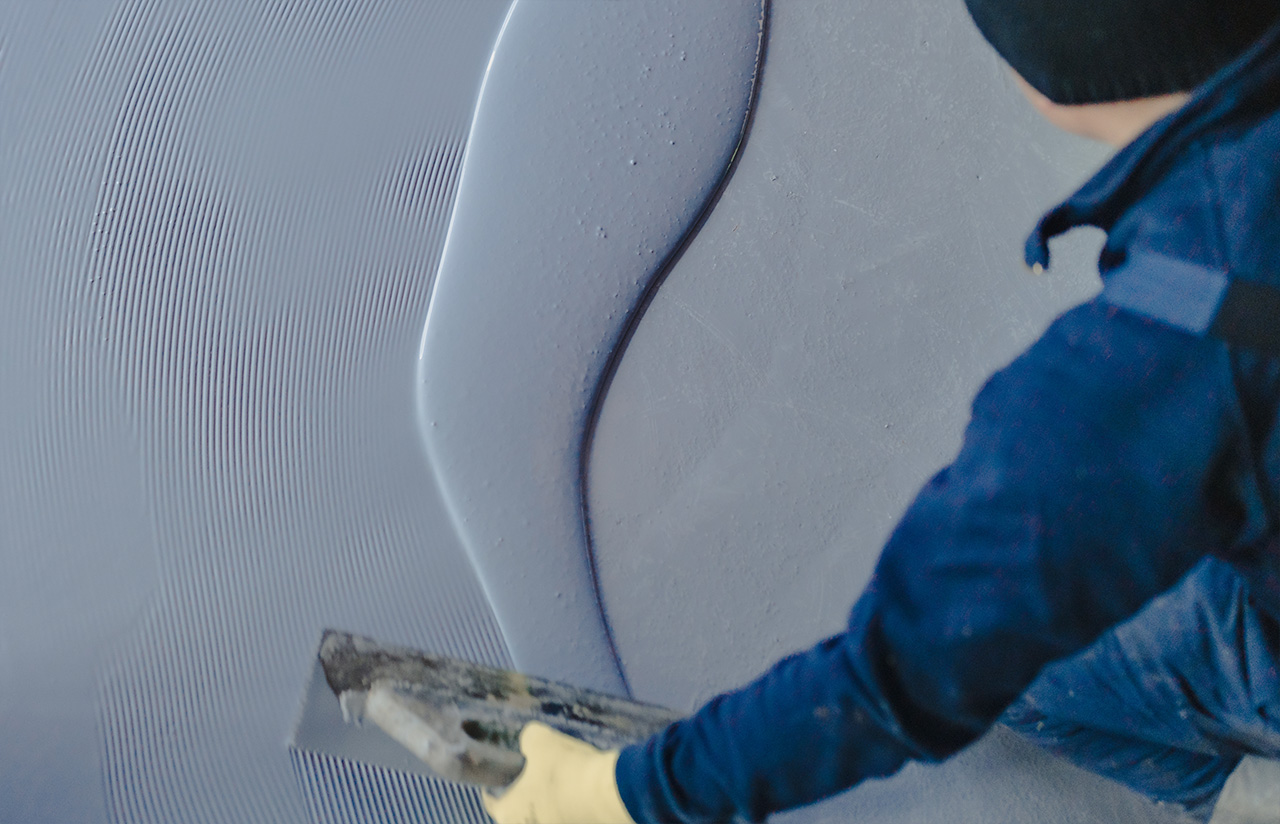
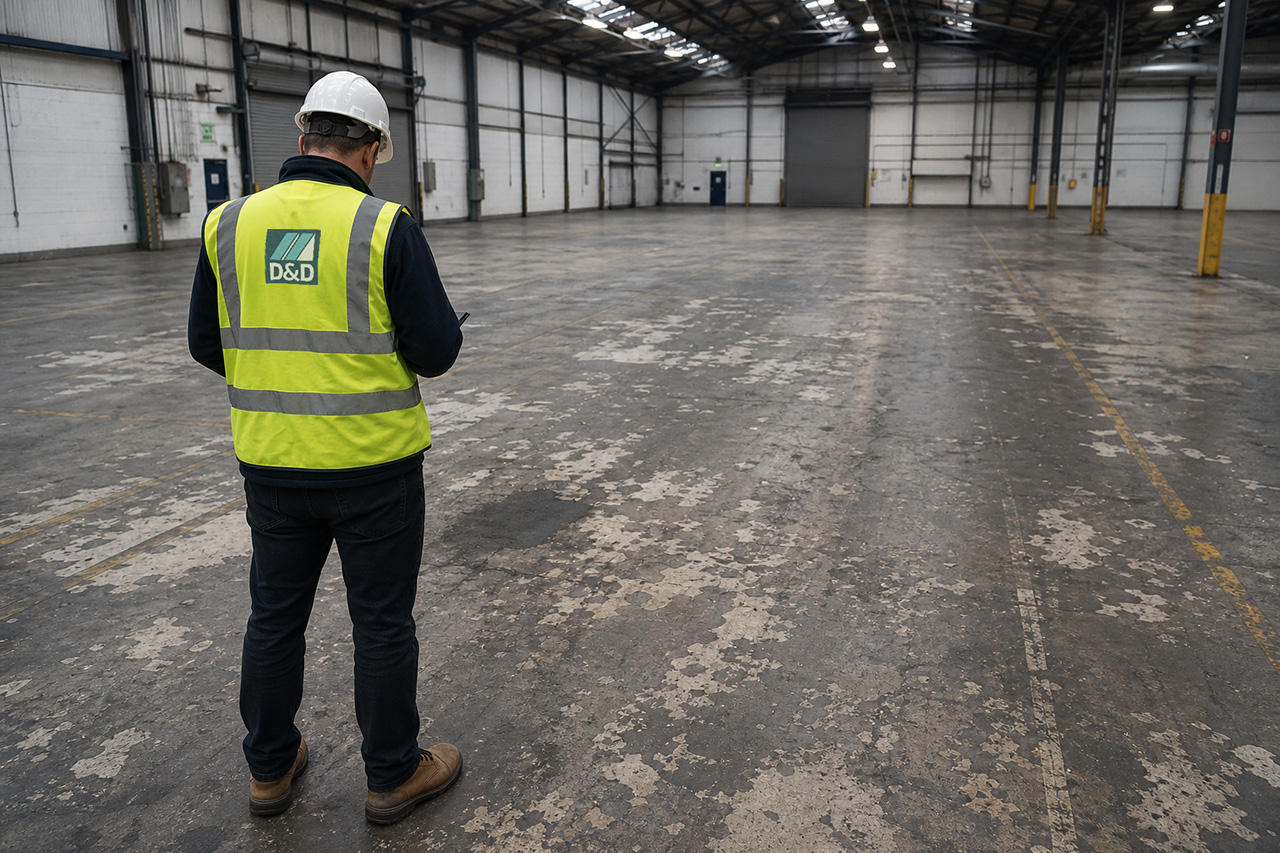
Checking the quality of the substrate and extent of damage.
Bare or dusting concrete
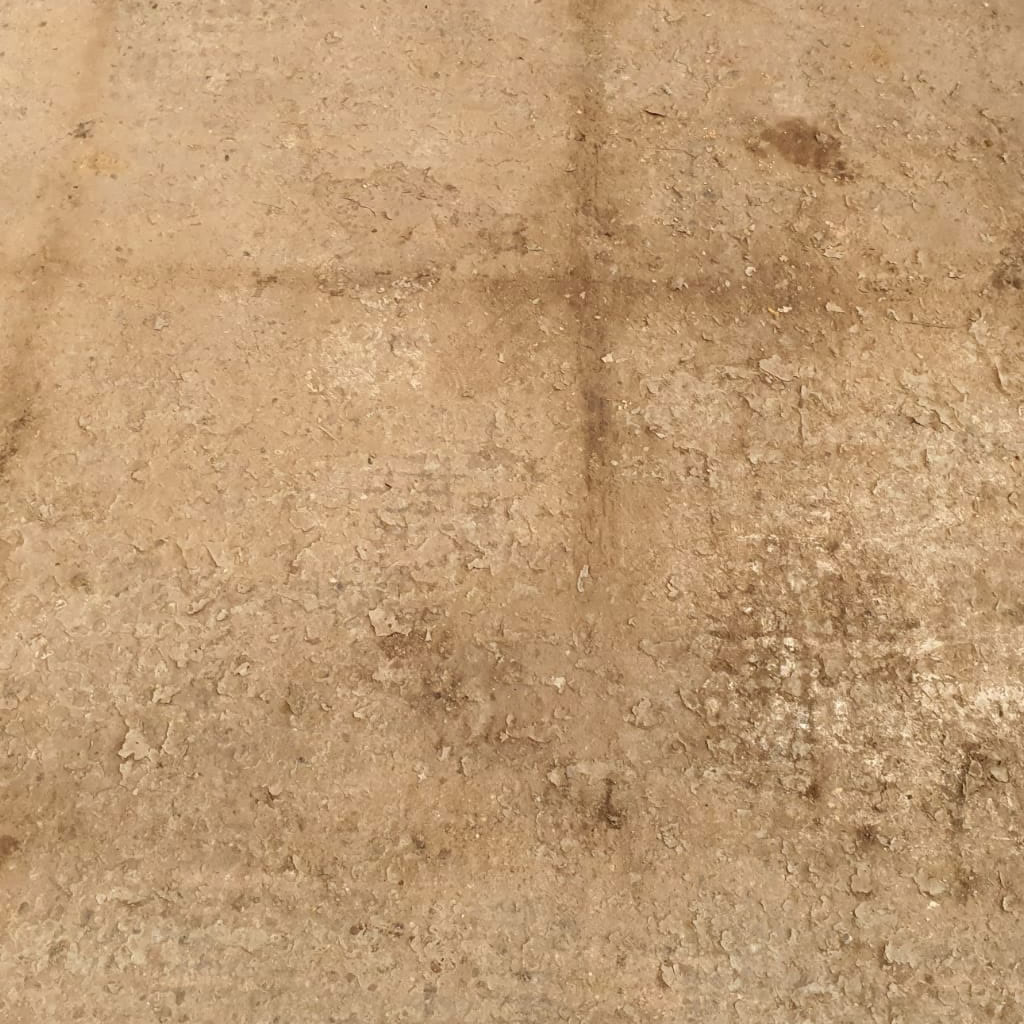
Unsealed concrete sheds a fine dust as its surface wears under traffic. This dust willl settle on products, shelving, machinery and all kinds of other important equipment. When a floor is sealed or coated the surface is bound and solid which makes the floor much easier to clean and keep clean.
Previously coated floors
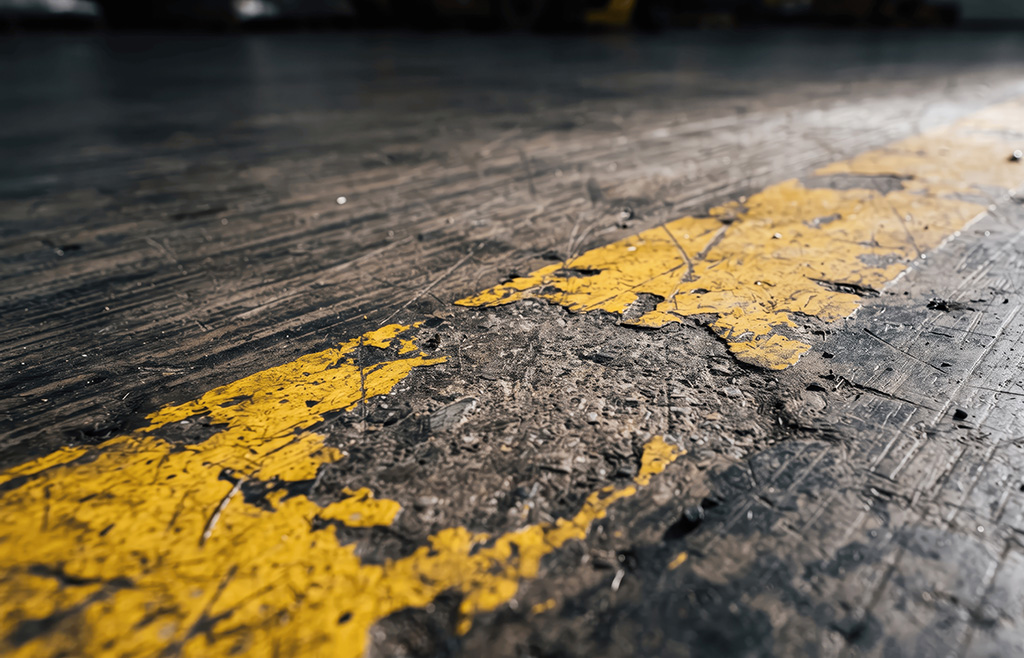
Many floors carry an earlier coating that has worn through in traffic lanes or begun to peel due to scratches and other kinds of unavoidable damage. A contractor must establish what that coating is and whether it remains well bonded. Any new system will fail if its applied over a failing existing coat.
Newly poured concrete
Fresh concrete usually has a high volume of water content as its curing. Coating it too soon will trap that moisture. The result blistering or loss of adhesion which is disastrous! Coating manufacturer’s guidance will always set a minimum curing period and acceptable moisture level. These curing times should be confirmed by testing on site, which is something we do here at D&D Coatings as a matter of routine on floor painting projects.
Preparation determines how long the coating lasts
Surface preparation is the biggest factor in a floor coatings performance. Paint applied to a contaminated or smooth surface is unable to achieve a good enough bond. It doesn’t matter how good the product is so don’t believe if anyone tells you otherwise.
Preparation typically includes:
Removal of contaminating oil, grease and/or chemicals
Mechanical abrasion by diamond grinding or shot blasting to open the concrete surface
Removal of loose or poorly bonded existing coatings
Repair any cracks, joints and floor damaged before coating
Thorough vacuuming to remove all dust and debris
A quotation that omits preparation or treats it as a single line item, deserves a close look. The lowest price in any warehouse floor painting quote often reflects the least preparation — and should be challenged or simply not taken seriously.
Matching the coating system to the workload
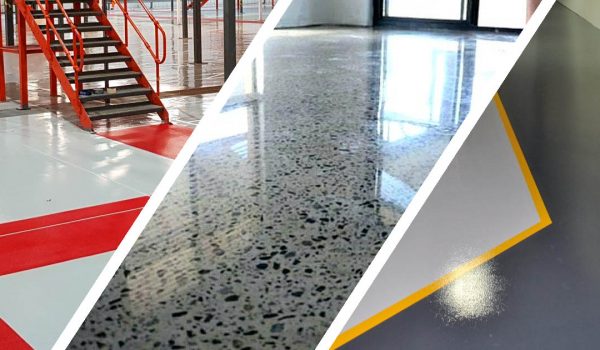
No single floor paint suits every building. The right system depends on traffic type, chemical exposure and the service life the owner expects.
System
Typical use
Considerations
Single-pack floor paint
Light foot traffic, storage areas and short-term refreshes
Quick to apply and lower cost, but less resistant to wear
Forklift traffic, production areas and general warehousing
Hard-wearing and chemical resistant; longer cure before full use
Epoxy with polyurethane topcoat
Areas exposed to UV light or heavy abrasion
Improved colour stability and scratch resistance
Anti-slip finish
Loading bays, wet areas and ramps
Aggregate added to the coat improves grip but makes cleaning harder
Slip resistance
A smooth coated floor can get very slippery when wet. Especially near roller shutter doors in wet weather conditions. Anti-slip aggregate can be applied to specific areas instead of the whole floor. This keeps cleaning straightforward in dry areas while improving grip where its really needed.
Colour
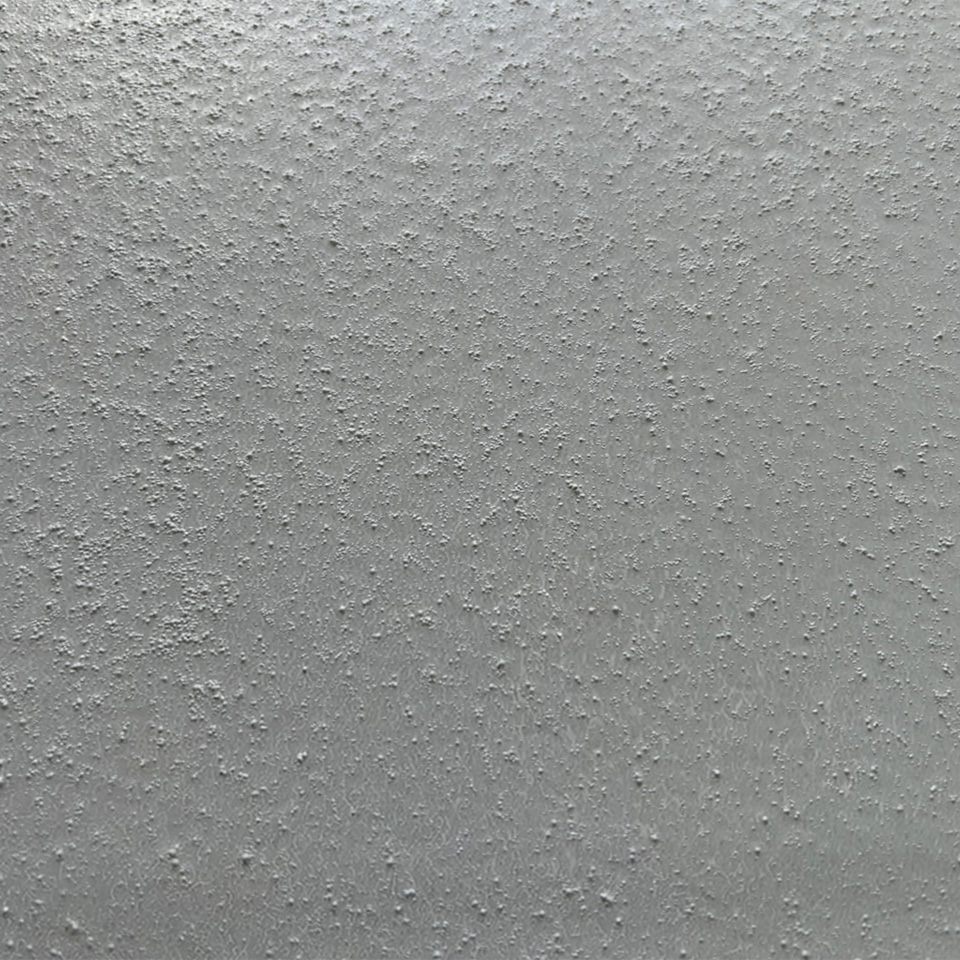
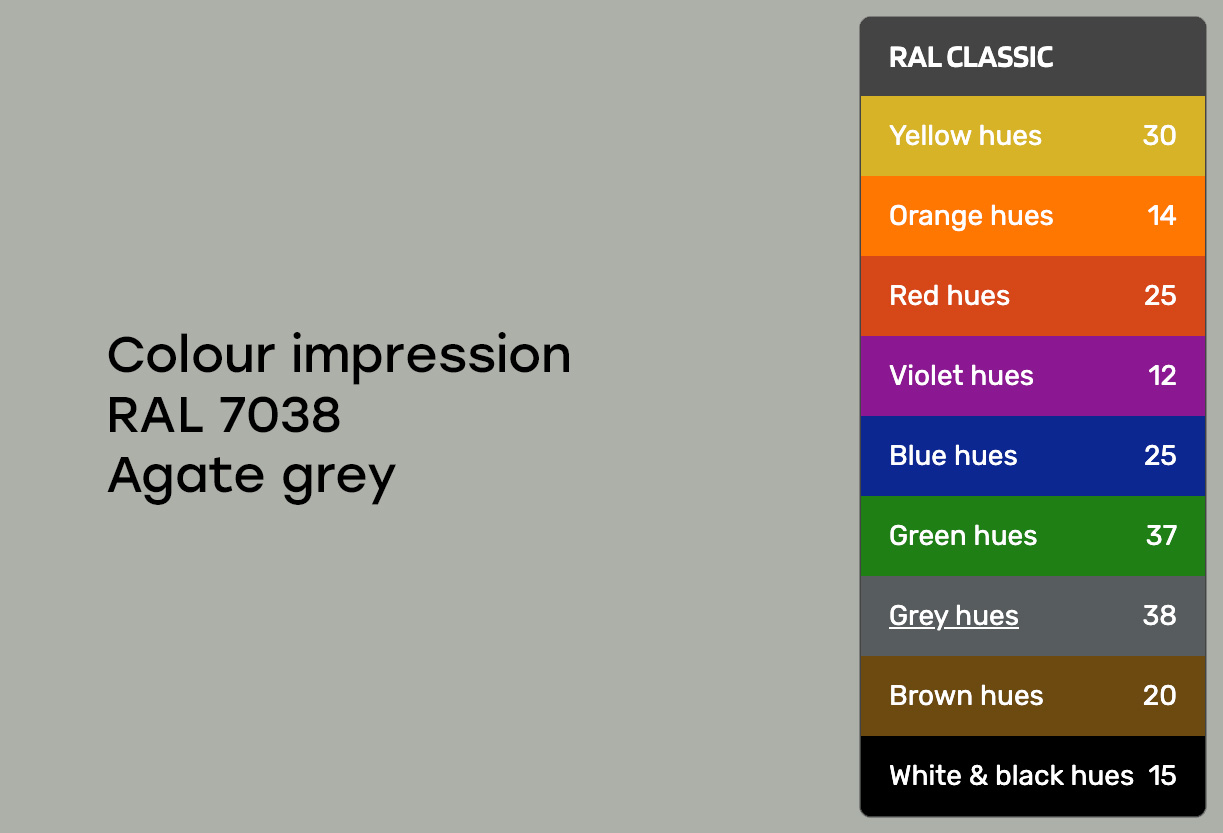
Grey shades such as RAL 7038 agate grey are a common choice for warehouse floors. Mid-grey colours conceal tyre marks and general soiling while providing strong contrast for safety markings.
Dark grey coatings should be avoided, as they can make areas feel too dark and increase lighting and energy requirements. Conversely, very light greys tend to highlight tyre and foot scuffs, quickly making floors look unsightly. D&D Coatings can advise on the best colour choices, as will any other accredited floor coating contractor.
Line marking and pedestrian segregation
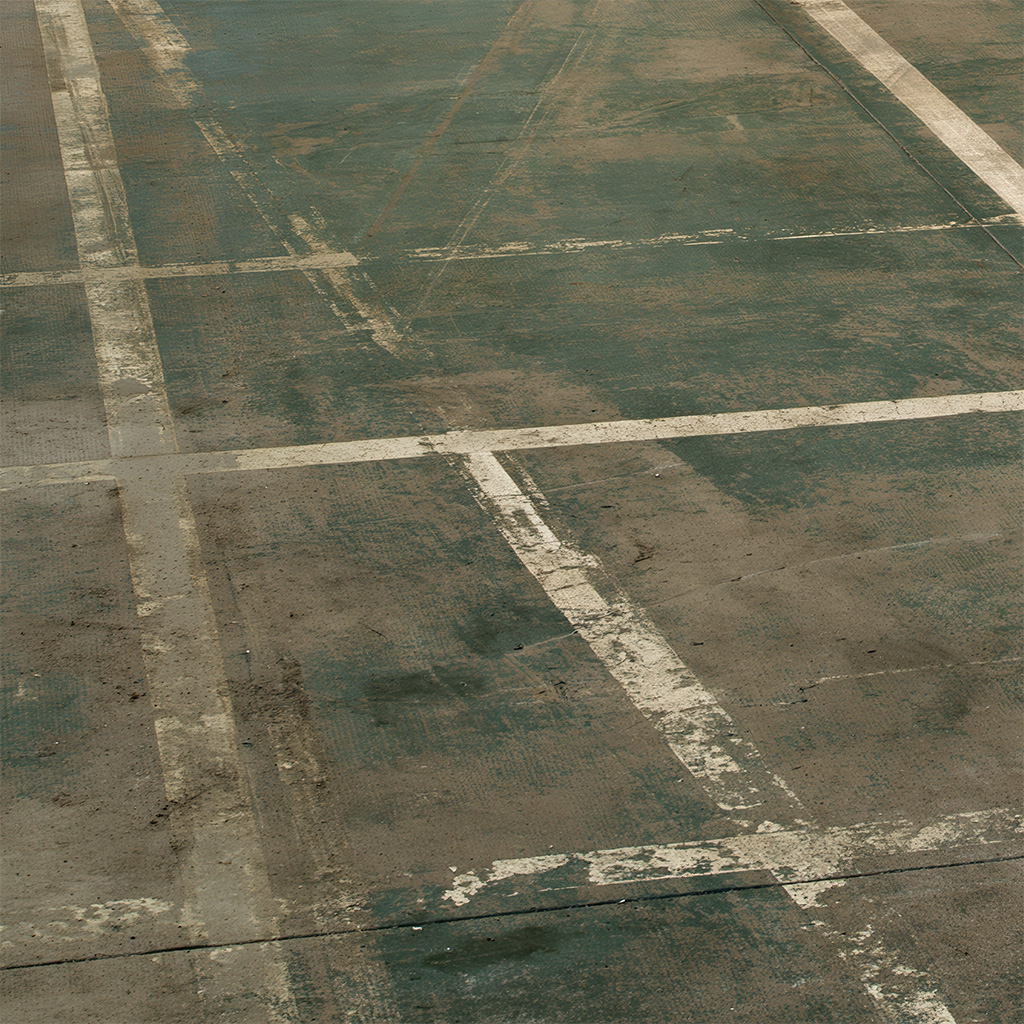
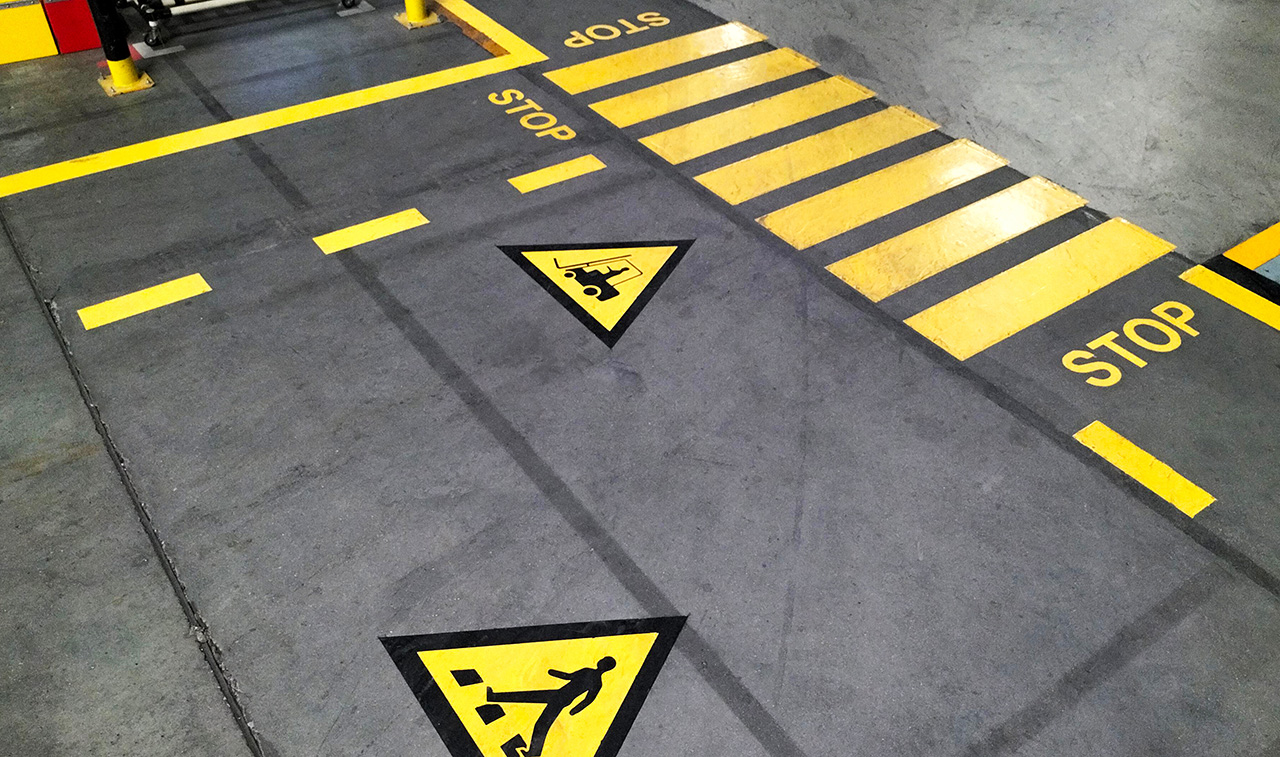
Floor markings are a practical part of a warehouse safety strategy. The Health and Safety Executive’s guidance on warehousing and storage (HSG76) stresses the need to keep pedestrians and vehicles apart wherever possible. Clearly marked walkways, crossing points and forklift zones support this aim. A floor coating project is the ideal time to review the layout. Racking positions, loading areas and pedestrian routes often change after the original markings were applied. Redundant lines left in place can confuse staff and visitors.
Common markings include:
Pedestrian walkways and designated crossing points
Forklift operating zones and charging areas
Pallet and bulk storage bays
Fire exit routes and access to firefighting equipment
Hatched keep-clear areas in front of doors and electrical panels
Please note; markings applied as part of the coating system bond to the floor and wear at a similar rate. Adding them later over a cured coating may require further preparation.
Planning the works around your operations
Not many warehouses can close for an extended period so careful programming allows most floor coating projects to proceed with limited disruption to normal business.
Phasing
Large floors can be divided into areas or zones and completed in sequence. Stock and rackings can move from one zone to the next as work progresses. This approach keeps the building operational throughout.
Working outside normal hours
Weekend, night and shutdown working can keep preparation and application to periods when the building is quieter. This needs agreement with all parties at the planning stage because it will affect labour costs and site access.
Cure times
The coating needs time to harden before it can take traffic. Two-pack systems commonly accept light foot traffic within a day, but forklift use may need to wait several days longer. Exact figures depend on the product and site temperature, so the contractor should confirm them in writing before work starts.
An empty unit is the easiest time to coat a floor
Floors at the start and end of a lease
Two moments in a tenancy prompt many floor coating projects: moving in and handing back.
An empty unit is the easiest time to coat a floor. Equipment used in the preparation can easily reach every area, and there is no stock or machinery to relocate. Completing the work before racking is installed also avoids coating around fixed units.
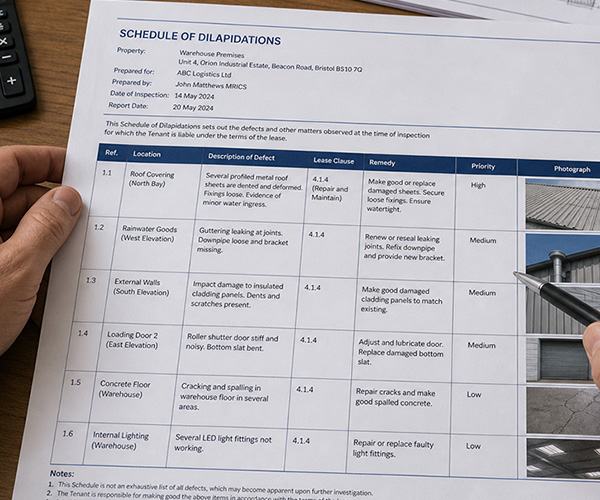
At the end of a lease flooring often features in a schedule of dilapidations. The lease terms and the landlord’s surveyor will set the standard required. Tenants should obtain that schedule before commissioning work. This will ensure the specification matches what the landlord will accept.
What to include in a quotation request
A detailed enquiry allows a contractor to provide an accurate budget figure sooner. The following information is particularly useful:
Site location and postcode
Approximate floor area in square metres, and whether it is one space or several
Current condition: e.g. bare concrete, existing coating or newly poured slab
Line marking requirements, ideally with a plan of the layout
Access constraints, working hours and any shutdown windows
Target completion date, including any lease deadline
Photographs of the floor, particularly damaged areas
A site survey will still be needed to confirm the specification. Supplying this information in advance, however, shortens the process considerably.
Arranging a survey
D&D Coatings prepares and coats industrial and warehouse floors for occupiers, landlords and main contractors. Each project begins with a survey of the existing floor and a specification of its use.
Full details of the service, including coating systems and line marking, are available on the warehouse floor painting page. To discuss a specific floor, contact the team with the details listed above.
Further reading
We have a wealth of floor painting experience here at D&D Coatings and if you would like to learn more about one of the subjects covered above, such as traffic markings, please have a look at our guide to car park painting below.